
The Ultimate Marketing Playbook for Startups & SMEs
Why Marketing is Crucial for Early-Stage Businesses
- Build brand awareness
- Attract and retain customers
- Stand out in a competitive market
- Drive sales and sustainable growth
Crafting a Strong Brand Identity
Your brand is more than a logo—it’s the perception and emotional connection customers have with your business. To create a compelling small business branding strategy, focus on:
- Use a memorable brand name and logo
- Choose brand colors and typography that align with your message
- Maintain a consistent tone across all marketing materials
- What problem does your product/service solve?
- How is it different from competitors?
- Why should customers choose you?
People resonate with stories. Share your journey, mission, and values to build trust and credibility.
Understanding Your Target Audience & Market Positioning
A well-defined audience ensures your marketing efforts reach the right people. Conduct market research to:
- Identify your ideal customer’s demographics, interests, and pain points
- Analyze competitors to find gaps and opportunities
- Position your brand effectively in the market
Budget-Friendly Marketing Strategies for Startups
- Focus on platforms where your audience is active
- Create engaging content (videos, infographics, and posts)
- Collaborate with micro-influencers for organic reach
- Start a blog to share industry insights and tips
- Optimize content with an SEO strategy for small businesses
- Repurpose content into videos, podcasts, and social media posts
- Build an email list through lead magnets (e-books, free consultations, discounts)
- Personalize email campaigns for better engagement
- Use automation to nurture leads and improve conversion rates
- Run targeted PPC ads on Google and social media
- Retarget website visitors with display ads
- Monitor ad performance and optimize campaigns
Setting Measurable Marketing Goals
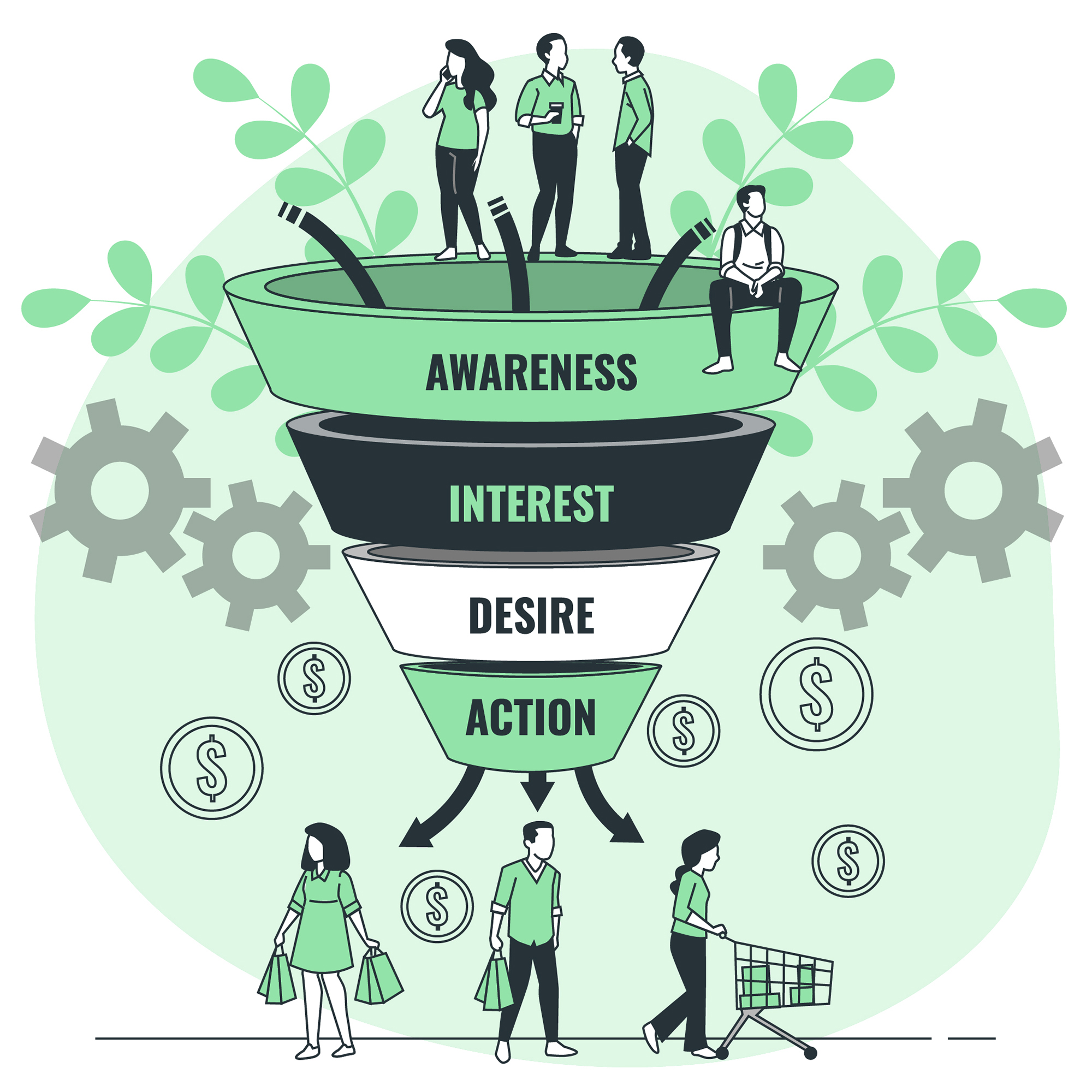
A successful marketing funnel for startups requires clear, measurable objectives. Follow the SMART framework:
- Specific – Define what you want to achieve (e.g., “Increase website traffic by 30% in 3 months”)
- Measurable – Track key metrics like conversion rates, engagement, and ROI
- Achievable – Set realistic targets based on industry benchmarks
- Relevant – Align goals with your overall business strategy
- Time-bound – Establish deadlines for each goal
Key metrics to track include:
- Website traffic and SEO ranking
- Social media engagement
- Email open and click-through rates
- Conversion rate from leads to customers
- Customer lifetime value (CLV)
The Role of Marketing Automation for SMEs
Time is a valuable resource for startups. Marketing automation for SMEs helps streamline:
- Email follow-ups and customer onboarding
- Social media scheduling
- Lead nurturing and segmentation
- Performance tracking and reporting
This enables businesses to scale their marketing efforts efficiently without increasing overhead costs.
Customer Retention Strategies for Startups
Acquiring new customers is important, but retaining existing customers is more cost-effective. Implement these customer retention strategies for startups:
- Provide exceptional customer service
- Offer loyalty programs and exclusive deals
- Engage with customers through personalized emails
- Actively seek feedback and implement improvements
Conclusion: Build a Scalable Marketing Strategy
A well-planned startup marketing strategy lays the foundation for sustainable growth. By focusing on branding, audience understanding, budget-friendly tactics, and automation, startups and SMEs can achieve long-term success without excessive spending.
Aimed Advisors is committed to helping startups and SMEs develop winning marketing strategies that drive measurable results.
